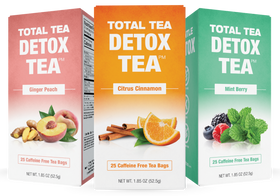
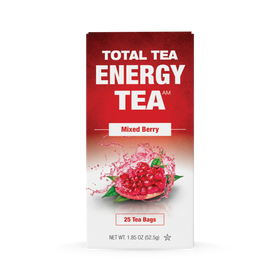
Total Tea®
herbs are known to help with symptoms related to the following
conditions:
Total Tea®
helps:
-
Restore overall digestive function
-
Detoxification
-
Relieve Constipation
-
Increase peristalsis (forward
movement)
-
Improve food digestion performance
-
Increase circulation
-
Prevent intestinal spasms
-
Reduce nervousness
-
Reduce gas production
-
Reduce bloating and cramping
-
Remove yeast and other "bad" bacteria from the system
-
Inhibit "bad" bacteria production
-
Improve "good" nutrient absorption
-
Reduce irritation & inflammation of intestinal walls
-
Improve immunity
Glossary of
Terms*:
Constipation - passage of small
amounts of hard, dry bowel movements, usually fewer than three
times a week. People who are constipated may find it difficult
and painful to have a bowel movement. Other symptoms of
constipation include feeling bloated, uncomfortable, and
sluggish. <back to top>
Irritable Bowel
Syndrome (IBS) - a disorder that interferes with the
normal functions of the large intestine (colon). It is
characterized by a group of symptoms—crampy abdominal pain,
bloating, constipation, and diarrhea. One in five
Americans has IBS, making it one of the most common disorders
diagnosed by doctors. It occurs more often in women than in men,
and it usually begins around age 20.
Diverticulosis - Many people have small pouches in their
colons that bulge outward through weak spots, like an inner tube
that pokes through weak places in a tire. Each pouch is called a
diverticulum. Pouches (plural) are called diverticula. The
condition of having diverticula is called diverticulosis. About
10 percent of Americans over the age of 40 have diverticulosis.
The condition becomes more common as people age. About half of
all people over the age of 60 have diverticulosis. When the
pouches become infected or inflamed, the condition is called
diverticulitis. This happens in 10 to 25 percent of people with
diverticulosis. Diverticulosis and diverticulitis are also
called diverticular disease.
Acid
Reflux - Gastroesophageal reflux disease, or GERD,
occurs when the lower esophageal sphincter (LES) does not close
properly and stomach contents leak back, or reflux, into the
esophagus. The LES is a ring of muscle at the bottom of the
esophagus that acts like a valve between the esophagus and
stomach. The esophagus carries food from the mouth to the
stomach. When refluxed stomach acid touches the lining of
the esophagus, it causes a burning sensation in the chest or
throat called heartburn. The fluid may even be tasted in the
back of the mouth, and this is called acid indigestion.
Occasional heartburn is common but does not necessarily mean one
has GERD. Heartburn that occurs more than twice a week may be
considered GERD, and it can eventually lead to more serious
health problems. Anyone, including infants, children, and
pregnant women, can have GERD.
Diarrhea - loose, watery stools occurring more than
three times in one day—is a common problem that usually lasts a
day or two and goes away on its own without any special
treatment. However, prolonged diarrhea can be a sign of other
problems. People with diarrhea may pass more than a quart of
stool a day. Diarrhea can cause dehydration, which means
the body lacks enough fluid to function properly. Dehydration is
particularly dangerous in children and the elderly, and it must
be treated promptly to avoid serious health problems.
People of all ages can get diarrhea. The average adult has a
bout of diarrhea about four times a year.
Peristalsis - The large, hollow organs of the digestive
system contain muscle that enables their walls to move. The
movement of organ walls can propel food and liquid and also can
mix the contents within each organ. Typical movement of the
esophagus, stomach, and intestine is called peristalsis. The
action of peristalsis looks like an ocean wave moving through
the muscle. The muscle of the organ produces a narrowing and
then propels the narrowed portion slowly down the length of the
organ. These waves of narrowing push the food and fluid in front
of them through each hollow organ.
Candida
-
Candida albicans: A
yeast-like fungal organism found in small amounts in the normal
human intestinal tract. Normally kept in check by the body's own
helpful bacteria, C. albicans can increase in numbers when this
balance is disturbed to cause candidiasis of the intestinal
tract, or yeast infections of other parts of the body. C.
albicans causes thrush." (Commonly mispronounced, say
KAN'-di-duh, not Kan-DEE'-duh)
Our immune system is
designed to defend us from illness. But many medical conditions
in our modern world can compromise it: excessive use of
antibiotics or steroids, oral contraceptives, overly-acidic pH
levels from processed foods and stress, hormone imbalances,
exposure to environmental toxins (often molds) and chronic
illness. Our exposure to all these modern medical conditions
sets us up for the fall into the medical condition known as
Candida yeast overgrowth.
When our immune systems
are compromised, a normal yeast present in our bodies, called
Candida, can "morph" from being a beneficial yeast into a
HARMFUL FUNGUS.
This fungal yeast can quickly grow out of the normal balance that
nature intended and overwhelm the beneficial flora (acidophilus
type bacteria) that normally keeps natural yeast levels in check.
This
yeast OVERGROWTH
condition is called
CANDIDIASIS.
This new fungal form of yeast develops rhizoids (long, burrowing
legs) that hook into and can penetrate the mucus membranes in the
intestinal tract and cause serious bowel pain.
As time goes on, the
morphed fungal yeast may burrow right through the intestinal wall.
This condition, called Leaky Gut Syndrome, allows partially
digested proteins and the yeast itself to travel into the
bloodstream where they become toxins.
As undigested foods
directly enter the bloodstream this may cause an immediate
allergic reaction to those foods. Once the Yeast infection has
access to the
whole body, you have system-wide or
Systemic
Candidiasis.
* Glossary of terms
provided by:
KeyWords:
digestive problems,
digestive disorders, digestive conditions, digestive diseases, digestive tea, total tea, detox tea, gentle detox, colon
cleansing, colon cleanse, colon cleanser, detoxification,
detoxify, cleanse, cleansing, colonics, fat belly, bloating,
flatulence, gas, constipation, constipation relief,
chronic constipation, ibs, irritable bowel syndrome,
diverticulosis, diverticulitis, chronic fatigue, chronic fatigue
syndrome, diarrhea, acid reflux, body detox, internal cleansing,
psyllium, fiber supplement, fat stomach, lose stomach, stomach
ache, stomach pain, bowel cleansing, colon cleansing, intestinal
cleansing, intestinal cramping, nervousness, increase immunity,
better circulation, candida yeast overgrowth.
Sponsered Links:
CLEANSING-TEA-4-COLON-CONSTIPATION-DIARRHEA-YEAST-PROBLEMS.COM
www.ody.net,
www.odyvideo.com
TOTAL-DIGESTIVE-DETOXIFICATION-CLEANSING-TEA-FOR-COLON-PROBLEMS.COM
Haabaa Internet Web Directory
Quality family friendly web directory & meta search engine.